A clean, well-kept car usually makes a stronger first impression than one with stained seats, dull paint, or neglected surfaces. That matters when it is time to sell, because buyers often use the vehicle’s condition to judge how well it has been maintained. So, does car detailing increase resale value? In many cases, it can help protect the car’s perceived value and make it more appealing to potential buyers.
However, not every detailing service delivers the same return. The biggest difference comes from focusing on visible areas buyers actually notice while avoiding unnecessary or poorly executed work. This article explains which exterior and interior improvements matter most, how detailing priorities change between trade-ins and private sales, and how to get more value from the money you spend.
Does Car Detailing Increase Resale Value?
How much detailing can affect resale value depends on the vehicle’s existing condition and how you plan to sell it. An Autotrader analysis using Kelley Blue Book valuation data found that a 2019 Subaru Outback 2.5i Limited Wagon valued in “very good” rather than “good” condition had an average trade-in value about $703 higher, or 2.95%. In the widest valuation range shown, the difference reached $2,911, or 12.82%.
Autotrader also says sellers may see a return of up to 200% on money spent cleaning or detailing a vehicle before selling it. That should be treated as a potential return rather than a guaranteed or typical result. The actual payoff depends on the car’s overall condition, the work it needs, and whether you are trading it to a dealer or selling it privately.
Why a Detailed Car Sells for More
Buyers don’t inspect an engine before they judge a car; they read the paint and the cabin first, and assume the rest matches. A glossy exterior and a fresh interior signal “well-maintained” before anyone opens the hood.
For trade-ins, this has a direct dollar mechanism: dealers price in a reconditioning cost before making an offer. If the car still needs a deep clean, stain removal, or odor treatment, that expected cost gets subtracted from what they’re willing to pay. A detailed car removes that deduction outright.
In a private sale, the effect is more psychological but just as real. Buyers assume mechanical care mirrors visible care. A clean car reads as a cared-for car, and a dirty or stained one hands the buyer a built-in excuse to lowball: visible neglect is negotiating leverage, whether or not it reflects the car’s actual mechanical condition.
Exterior Detailing That Moves the Needle
Paint correction and protection
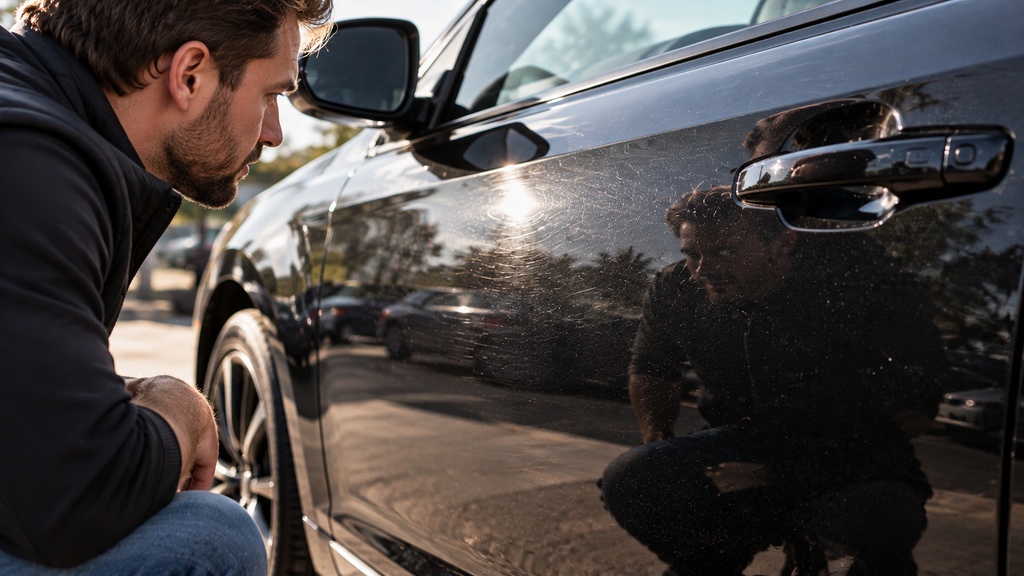
Swirl marks, light oxidation, and fine scratches are exactly what buyers register in the first 10 seconds, even if they couldn’t name the defect. Paint condition is often the single biggest visual factor in that first impression. Correction addresses the actual defects; a wax or ceramic coating after paint correction locks in the shine; it’s the finishing step, not the fix.
Wheels, tires, and glass
Wheel and tire dressing is one of the cheapest, most visible upgrades available. Headlight restoration deserves specific mention too: cloudy, yellowed lenses make a car look older than its mileage suggests, regardless of what’s actually under the hood.
Interior Detailing That Actually Matters
Odor removal and upholstery
Odor, especially smoke smell, is one of the fastest deal-killers in a walkaround or test drive. It’s the kind of thing that ends a test drive early or triggers an on-the-spot lowball, not just a vague turn-off. Stain removal and seat conditioning, for both leather and fabric, are the two most common interior requests ahead of a sale, and for good reason: they’re what a buyer’s hand and nose notice first.
Dashboard, trim, and small details
Dashboard, console, door panels, and vents are what a skeptical buyer checks once something else has already made them suspicious. They’re inexpensive to clean but carry outsized weight in the “this was cared for” impression.
Detailing Before a Trade-In vs. Before a Private Sale
| Factor | Trade-In | Private Sale |
| Who Evaluates the Car | Trained dealer appraiser | Individual buyer, often on their first look |
| What Matters Most Visually | Absence of reconditioning red flags (stains, odor, tire wear) | Overall shine, first-glance appeal, photo quality |
| Negotiating Leverage Gained | Removes the appraiser’s cost deduction | Removes the buyer’s excuse to lowball |
| Detailing Services Worth Prioritizing | Interior deep clean, odor removal, engine bay | Paint correction, wheels, full exterior shine |
| Typical Value Impact | Moderate, tied directly to reconditioning cost avoided | Wider range; strong presentation can also mean a faster sale |
Trade-in evaluators are trained to spot shortcuts, so a rushed exterior wipe-down won’t fool them; the interior and mechanical presentation matter more. Private buyers respond more to first impressions, so exterior shine and photo-ready presentation carry more weight there.
Mistakes That Can Lower Your Resale Value
Preparing a car for sale should improve its condition and presentation without wasting money or creating new concerns for buyers.
- Using quick cosmetic cover-ups – Poor touch-up paint or heavy air fresheners can make buyers suspect hidden issues.
- Detailing too early or too late – Clean the car close enough to the sale that it still looks fresh in photos and during viewings.
- Overinvesting in detailing – Expensive correction or ceramic coating may not pay off on a low-value vehicle.
- Ignoring mechanical issues – Warning lights, leaks, or obvious faults can outweigh cosmetic improvements and lower offers.
Get the Most Out of Your Detailing Investment
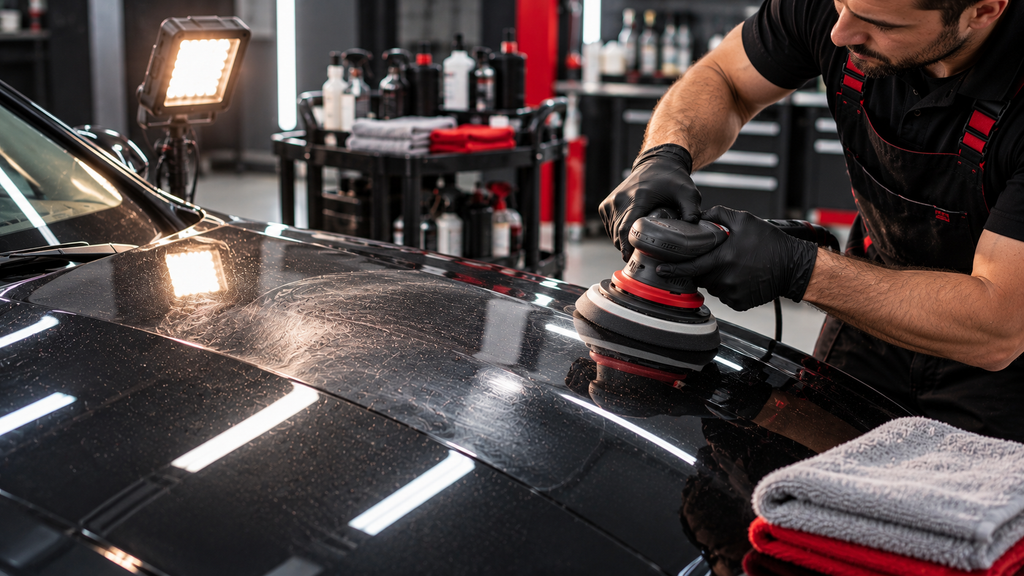
A basic wash and vacuum can improve presentation, but professional detailing goes further. Determining how does car detailing increase resale value comes down to how effectively it improves the vehicle’s visible condition, including swirl marks, stains, odors, dirty trim, and neglected interior surfaces.
A cleaner, better-kept car can create a stronger first impression and leave buyers with fewer cosmetic issues to use when negotiating the price. That does not guarantee a specific return, but it can help the vehicle present closer to its true market value.
Frequently Asked Questions
How much does it typically cost to detail a car before selling it?
Detailing costs vary by scope and vehicle size, from a basic wash-and-wax package up to a full interior-exterior detail with paint correction. Get a quote based on your car’s actual condition rather than a flat one-size price.
Does detailing an older, high-mileage car make a bigger difference than detailing a newer one?
Generally, yes, in percentage terms. A car in rougher starting condition has more room to improve, as seen in the KBB “good” vs. “very good” condition data above. A newer car in already-good condition will see a smaller relative bump.
How close to the sale date should the car be detailed?
As close as practical, ideally within a week or two of listing or trading in, so the results are still fresh for photos, viewings, and the dealer’s evaluation.
Does a ceramic coating specifically add resale value, or just paint correction?
The correction does the visible work of removing defects; the coating protects that result and adds shine, but it isn’t a substitute for correction on paint that already has swirl marks or scratches.