
That gleaming finish on a new car never stays that way by accident. Left unprotected, sun exposure quietly fades color, dulls gloss, and ages a paint job years before its time. Learning how to protect your car paint from the sun isn’t about vanity; it’s about protecting an investment that depreciates fast enough on its own.
The good news is that prevention is simpler than most owners assume. Below, we’ll break down exactly why UV rays and heat cause damage in the first place, and what actually works to stop it. You’ll learn the right washing technique, how to choose between wax, sealant, and ceramic coating, and smart parking habits that make a real difference over time.
How to Protect Your Car Paint From the Sun
Protecting your paint from sun damage starts with a few simple habits that work together.
- Wash correctly to remove dirt and contaminants without adding scratches.
- Dry correctly to prevent water spots from baking into the finish.
- Apply protection with wax, sealant, or a ceramic coating.
- Park smart by choosing shade or covered parking when possible.
- Use a car cover when long-term sun exposure cannot be avoided.
Each step is covered in more detail below.
Why Sun and Heat Damage Car Paint
Your car’s paint sits underneath a clear coat, a transparent layer designed to seal in color and shield the base coat from the elements. Sunlight attacks that clear coat through two separate mechanisms, and understanding both is the key to protecting against them.
The first is UV bleaching. Ultraviolet radiation carries enough energy to break the molecular bonds inside the clear coat and pigment layer. Over months and years, this breakdown shows up as fading, a chalky texture, and a loss of gloss. The second mechanism is heat-driven oxidation, where high surface temperatures speed up the chemical reaction between oxygen and the paint itself, leaving a dull, lifeless finish even in spots that aren’t in constant direct light.
These two processes compound each other, which is why horizontal panels, like the hood, the roof, and the trunk lid, almost always show damage before the vertical sides of the car. They absorb the most direct sun exposure and radiate the most heat back into the clear coat throughout the day.
Washing and Drying the Right Way Before Any Protection Goes On
Ceramic coating, wax, and sealant need a clean surface to bond properly. Applying protection over dirt, road film, or old residue traps contaminants and can reduce durability.
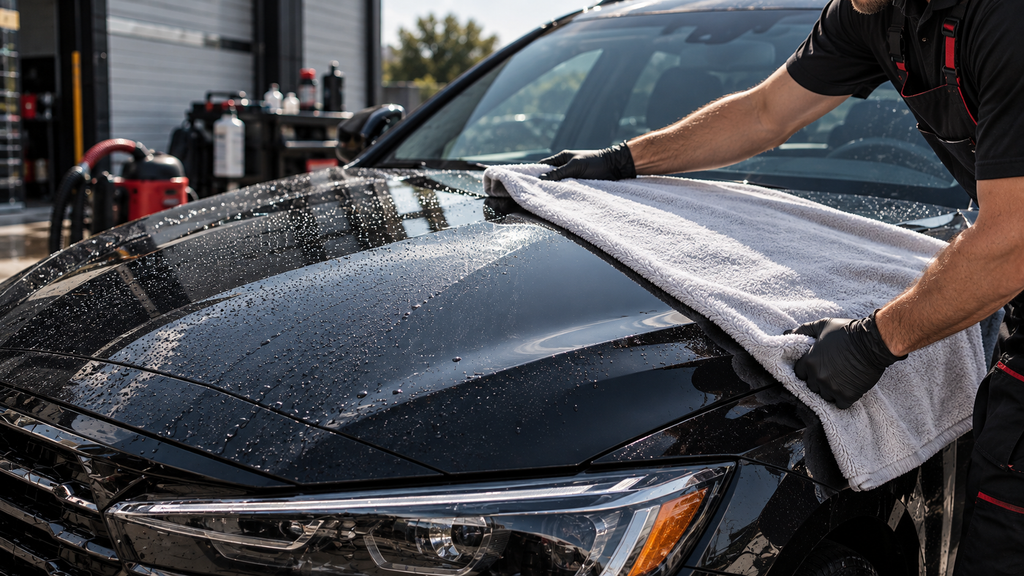
Wash when the paint is cool, ideally in the morning or evening. Direct sun and hot panels can make soap and water dry too quickly, leaving streaks and mineral spots. Use a pH-neutral car shampoo rather than dish soap or household degreasers, which can strip existing protection.
The two-bucket method and proper drying
As part of a regular maintenance wash plan, use one bucket for shampoo solution and another for clean rinse water. Wash a small section at a time, rinse the mitt before reloading it, and work from top to bottom to reduce the chance of dragging grit across the paint.
Dry the car immediately after rinsing. Use a clean microfiber drying towel, waffle-weave towel, or air dryer to prevent water spots and reduce the risk of fine scratches from rough household towels.
Waxing, Sealants, and Ceramic Coating for UV Protection
Once the car is clean and dry, you have three main options for UV protection, and each works differently.
Wax acts as a sacrificial barrier. It sits on top of the clear coat and takes the brunt of UV and environmental damage itself, which is exactly why it wears down and needs reapplying, typically every four to 12 weeks depending on climate and how much direct sun exposure the car gets, with hotter regions needing more frequent reapplication.
Paint sealant is a synthetic polymer that chemically bonds to the clear coat rather than just sitting on top of it. That bond is why sealants last longer than wax, commonly three to six months per application, while still offering strong UV resistance.
Ceramic coating goes a step further with a permanent or semi-permanent chemical bond to the clear coat itself, forming a hard, glassy layer. This is why ceramic coating lasts longer than both wax and sealant for UV resistance, often lasting one to several years depending on the product and prep work, and why it’s the choice for owners who want the least ongoing maintenance.
Comparing your paint protection options
| Protection Type | Durability | UV Protection Level | Cost | Best For |
| Wax | 4-12 weeks | Good, but wears fastest | Low | Owners who enjoy regular hands-on care |
| Sealant | 3-6 months | Strong, consistent | Moderate | Owners who want longer intervals without a big upfront cost |
| Ceramic Coating | 1-5+ years | Excellent, most consistent | High | Owners who want minimal maintenance and maximum protection |
| PPF (Paint Protection Film) | 5-10 years | Excellent, plus physical impact protection | Highest | High-value panels, new cars, or owners prioritizing chip and scratch defense alongside UV |
When Sun Damage Needs Correction, Not Just Prevention
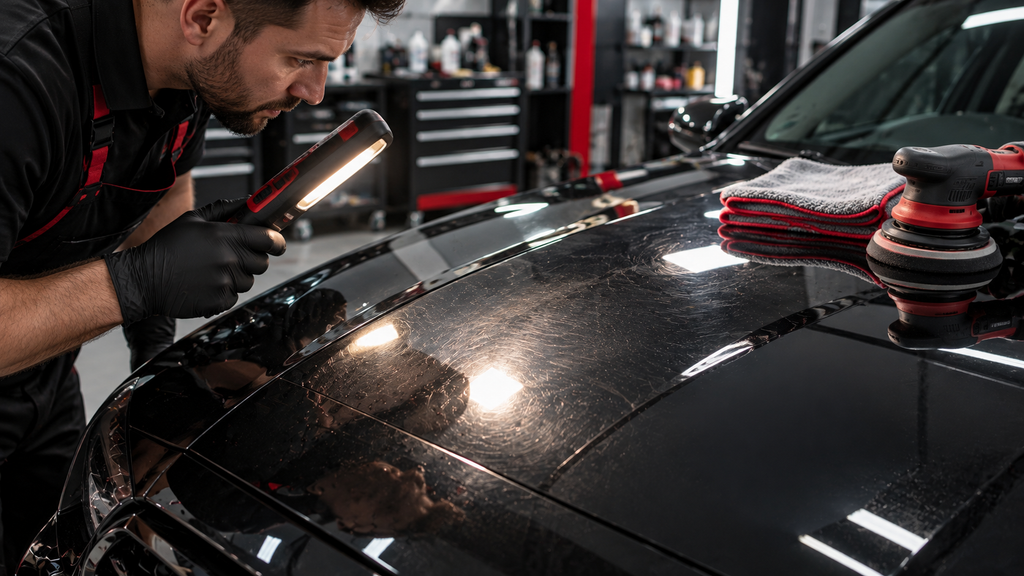
There’s an important line between paint that’s dull and paint that’s actually damaged. Dull, hazy, or lightly oxidized paint is usually fixable; that’s surface-level buildup and light oxidation sitting on top of an otherwise intact clear coat. Cracked or peeling clear coat is a different problem entirely, and no amount of polishing will fix it, because the clear coat itself has failed structurally.
Paint correction, at a high level, uses a controlled abrasive process to remove a very thin layer of clear coat, taking off the oxidized or scratched top layer and exposing fresh, glossy material underneath. It’s effective, but it isn’t magic. It can’t restore a clear coat that’s already cracked, peeling, or worn through to the base coat.
If your car has visible cracking, peeling clear coat, or exposed base coat, stop using DIY products and have it professionally evaluated. The same applies if oxidation is severe enough that hand polishing makes no visible improvement after a couple of passes.
Parking and Car Cover Strategies
Shade is one of the simplest ways to reduce UV exposure, but the type of shade matters. A garage or carport gives the best protection, while shade from a building is the next best option.
Parking under a tree can also keep the car out of direct sun, but it introduces a different risk. Sap and bird droppings can damage the clear coat if they sit too long, especially in hot weather, and careless removal can scratch the paint. If tree shade is your only option, check the surface regularly and clean any contamination promptly.
It also helps to think beyond where the shade is when you park. A spot protected in the morning may be fully exposed a few hours later, so choosing a location near a taller structure can reduce total sun exposure throughout the day.
If no shade is available, a car cover adds another layer of protection. Choose one that is breathable, UV-resistant, and lined with a soft inner material to reduce scuffing. Just make sure the car is dry before covering it, since trapped moisture can encourage mold and mildew.
How to Protect Your Dashboard From Sun
The same UV and heat that fade your paint work even faster on your dashboard, because dashboard materials, like vinyl and plastic, are thinner and more directly exposed through the windshield. Left unprotected, they crack, fade, and can even off-gas, releasing that hazy film that builds up on the inside of your windshield over time.
Window tint with UV-blocking properties is one of the most effective barriers available, since it filters out the majority of UV rays before they ever reach the dashboard, seats, or electronics. Legal tint limits vary by state and province, so it’s worth checking your local regulations before tinting the front windshield or front side windows.
A reflective windshield sunshade is the simplest and cheapest daily option. It won’t provide the constant protection tint does, but used consistently, even for short stops, it meaningfully cuts the heat and UV reaching the dash.
Dashboard cleaning and conditioning products
Use a dedicated UV-protectant dashboard treatment, applied roughly once a month during high-sun seasons and less often the rest of the year. Avoid silicone-heavy products. They can leave a greasy residue that attracts dust, and on some dashboards they create a glare that reflects into the windshield, which is a real visibility issue, not just a cosmetic one.
How to Protect Leather Car Seats From Sun
Leather is more vulnerable to sun damage than cloth because it’s a natural material that relies on retained oils to stay flexible. Heat and UV exposure dry those oils out, and the result is stiffening, cracking, and fading, usually starting in high-contact areas like the driver’s seat bolster and the top of the steering wheel.
A leather conditioner replenishes those oils and, when formulated with UV protection, adds a layer of defense on top. Conditioning every four to six weeks during hot, sunny months keeps leather supple and slows fading; less frequent conditioning is usually fine in cooler seasons.
Seat covers and sunshades add a passive layer of protection for cars that sit parked in direct sun for long stretches, which is often more practical than trying to condition your way out of constant exposure.
Spotting early leather sun damage
Catching sun damage early is the difference between a bottle of conditioner and a full reupholstering bill. Watch for stiffness that wasn’t there before, small surface cracks (often first appearing in the creases where the seat bends), and color fading concentrated in high-contact, high-sun areas rather than spread evenly across the seat. Any of these is a sign to start or increase conditioning immediately, before the damage becomes structural rather than cosmetic.
Adjusting Your Routine for Climate and Parking Situation
Your car paint protection routine should adapt to where you live and how you park rather than follow one fixed schedule. Understanding how to protect your car paint from the sun starts with adjusting that routine to your actual level of UV exposure.
In high-UV regions, at higher altitudes, lower latitudes, or areas with long, intense summers, shorten your reapplication intervals. Wash more frequently to remove contaminants that bond faster in the heat, and stay closer to the shorter end of the recommended wax or sealant reapplication range.
If you park outside every day, treat paint protection as an ongoing routine rather than a seasonal task. Use consistent shade or a car cover, wash regularly, and reapply UV protection on schedule instead of waiting until the paint looks like it needs attention.
With regular garage access, you can usually extend those intervals. However, protection still matters because daily exposure during commutes, errands, and other outdoor parking can add up over time.
Frequently Asked Questions
Does a windshield sunshade actually lower interior temperature?
Yes. By reflecting sunlight before it enters the cabin, a quality sunshade can meaningfully reduce peak interior temperature compared to an unprotected windshield, which also reduces the heat stress on your dashboard, seats, and electronics.
Can sun damage lower a car’s resale value?
Yes. Faded paint, a cracked dashboard, and dried-out leather are all visible signs of neglect to a buyer or appraiser, and they typically translate into a lower offer or longer negotiation, even if the car is otherwise mechanically sound.
How long does it take for sun damage to show on a new car?
It varies by climate and paint color, but visible fading or dulling can begin within a single intense summer season if the car goes unprotected, especially on horizontal panels and darker or red paint colors.
Is it safe to wax a car in direct sunlight?
It’s best avoided. Heat causes wax to dry and haze too quickly to buff properly, which can leave streaking and an uneven finish. Wait for a cooler part of the day, or move to shade first.
Do convertible or soft-top cars need different sun protection?
Yes. The fabric or vinyl top needs its own UV-protectant treatment separate from your paint protection, since standard wax and sealant aren’t designed for soft-top material, and a breathable, top-rated cover is worth the investment given how much more surface area is exposed.