
Mold inside a car can be more than an unpleasant smell. Moisture trapped in seats, carpets, and other interior surfaces creates conditions where mold can develop and spread. Whether it follows a water leak, flooding, or prolonged dampness, the problem needs attention before it becomes harder to manage.
Understanding how to get rid of mold in car interiors starts with identifying the affected areas and choosing cleaning methods that won’t damage the materials. This guide covers safe mold removal from seats, carpets, and other surfaces, along with prevention tips and signs that professional cleaning may be necessary.
Why Mold Grows in a Car
Mold needs moisture, a food source, and still air. A closed, dark car supplies all three, since dust, crumbs, and fabric fibers feed it while the sealed cabin traps humidity. The usual triggers are wet floor mats, leaking sunroof or door seals, spilled drinks that never fully dried, and damp gym bags or towels forgotten in the trunk. Clogged drain holes around the windshield and sunroof can also let water seep in unnoticed.
The EPA advises drying water-damaged materials within 24 to 48 hours to prevent mold growth. That guidance is written for buildings, but the biology applies equally to a soaked car carpet. Trapped moisture does more than smell bad; it lets spores build up in a small, enclosed space you breathe in every drive.
How to Remove Mold from Car Interior
Follow these steps to clean visible mold from car interior surfaces safely:
- Ventilate the car – Park outdoors and open the doors to improve airflow while cleaning.
- Wear protective gear – Use gloves, an N95 respirator, and goggles. The EPA recommends this protection when disturbing mold.
- Vacuum carefully – Use a HEPA-filter vacuum to collect loose debris and spores without releasing them back into the air. Empty the vacuum outdoors according to its instructions.
- Apply a suitable cleaner – Choose a cleaner compatible with the affected material and follow its instructions for use or dilution. Test it on a hidden area first. Avoid bleach on leather and upholstery, and never mix cleaning chemicals.
- Clean gently – Use a soft brush or cloth without aggressive scrubbing that could damage the surface or disturb more spores.
- Remove moisture – Extract excess moisture where appropriate, then dry the interior thoroughly using towels, fans, or a dehumidifier.
- Check hidden areas – Inspect carpets, padding, and the HVAC system for signs of remaining moisture or mold. Persistent contamination may require professional cleaning.
Important: This approach is suitable only for small, accessible areas of surface mold. Extensive mold growth, contaminated carpet padding, or mold following flooding may require professional remediation.
Fabric and sloth seats
Use a mild solution of white vinegar and water, or a fabric-safe mold remover with clear labeling. Mist lightly, agitate with a soft brush, and blot. Don’t soak the seat, because moisture trapped in the foam underneath restarts the cycle.
Leather and vinyl surfaces
Use mild soap and a damp microfiber cloth, then dry the surface thoroughly. Harsh cleaners can damage leather, causing discoloration or cracking, so professional cleaning may be necessary for affected premium interiors. Once the leather is dry, apply a suitable conditioner. Regular leather car seat cleaning also helps maintain the material’s condition, but vinyl requires different care products.
Carpet, floor mats, and padding
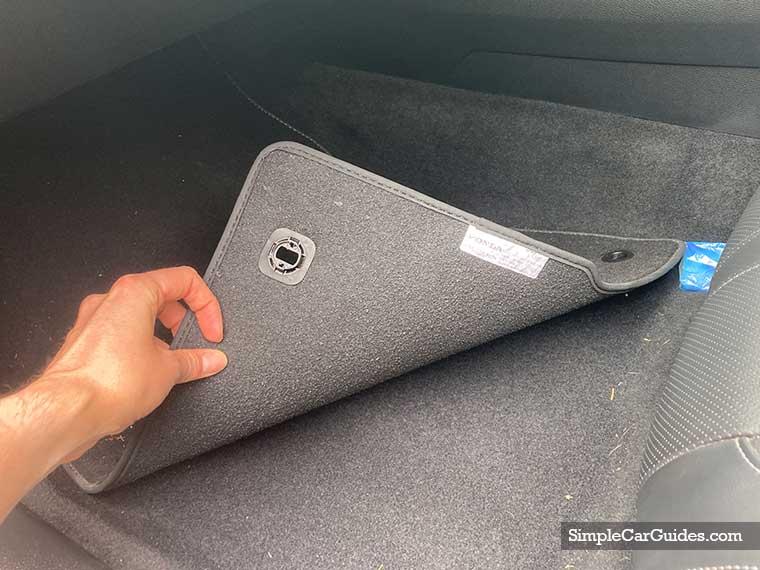
Pull the mats and dry them separately, in the sun if possible. Then lift a corner of the carpet and check the padding. If it feels damp or smells musty, mold is likely hiding where you can’t see it. The EPA also notes that carpet backing or padding needs to be dried along with the carpet.
Comparison Table – Cleaning Method by Surface Type
| Surface Type | Recommended Cleaning Method | Risk of DIY Damage | Best Left to a Professional? |
| Fabric/Cloth Seats | HEPA vacuum, light mist of vinegar-water or fabric-safe remover, soft brush, blot, fast drying | Moderate; over-wetting leaves moisture in the foam | If mold is deep in stitching or foam |
| Leather Seats | Mild soap on a damp cloth, dry immediately, condition afterward | High; harsh cleaners can crack or discolor leather | Yes, for widespread mold or premium leather |
| Vinyl/Plastic Trim | Mild soap or vinegar-water wipe, dry fully | Low | Rarely |
| Carpet and Floor Mats | Remove mats, HEPA vacuum, treat, then dry with fans or a dehumidifier | Moderate; padding stays wet underneath | Yes, if the padding is affected |
| Headliner | Light spot treatment only, no soaking | High; moisture can loosen the adhesive and cause sagging | Yes, in most cases |
Can You Remove Mold from Car Seats?
Yes, surface mold on car seats may be removable with careful cleaning and thorough drying. However, mold that has penetrated fabric, stitching, or foam padding is much harder to eliminate completely. In severe cases, professional cleaning or replacement of the affected seat padding may be necessary to prevent the problem from returning.
How to Remove Mold from Car Exterior
Follow these steps to remove mold from exterior surfaces without damaging the paint or trim:
- Identify the mold – Check that the spots aren’t tree sap, water stains, or artillery fungus, which can look similar but require different cleaning methods.
- Rinse the exterior – Use a hose or low-pressure washer to remove loose dirt. Avoid directing high-pressure water at seals and trim.
- Apply car-safe soap – Use an automotive shampoo suitable for painted surfaces. Avoid abrasive cleaners and harsh chemicals that could damage the clear coat.
- Clean gently – Wash with a soft microfiber mitt, using light pressure to avoid scratches.
- Treat trim and seals – Use a soft brush and a material-safe cleaner around rubber seals, window edges, and trim where moisture can collect.
- Rinse and dry thoroughly – Remove cleaning residue and dry the paint, trim, and seals with clean microfiber towels.
- Check for recurring moisture – If mold keeps returning around seals or window edges, inspect for trapped moisture or leaks. Persistent problems may require professional attention.
Why Mold in a Car Is a Health Risk
According to the CDC, mold exposure can cause nasal congestion, wheezing, and eye or skin irritation. People with asthma, allergies, or weakened immune systems may face greater risks, including more serious respiratory problems.
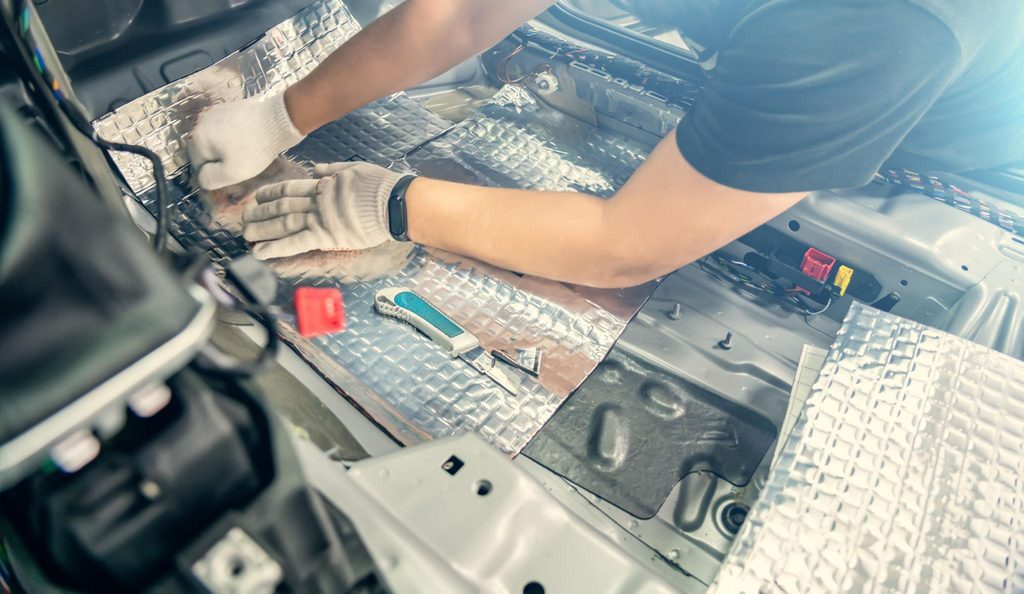
Cleaning mold without proper protection can increase exposure to airborne spores, especially when scrubbing or disturbing contaminated materials. For extensive mold growth, professional removal can help reduce exposure and address contamination in hard-to-reach areas.
When to Call a Professional for Car Mold Removal
DIY has limits. Call a pro if the mold keeps returning after cleaning, covers a large area, has reached the HVAC system, or if anyone in your household has asthma or allergies. A professional service does what a home setup can’t: it uses proper extraction equipment, disposes of contaminated material safely, and diagnoses the moisture source so the problem doesn’t repeat.
Professional mold treatment may be part of broader interior detailing services, depending on the extent of contamination and the services offered.
How to Stop Mold from Coming Back
Knowing how to get rid of mold in car interiors is only part of the solution. Preventing it from returning requires proper moisture control. Dry mats right away, fix leaks promptly, and crack the windows on dry days. Wipe surfaces down regularly, check under seats and mats now and then, and run the A/C or heater to reduce cabin humidity. The EPA’s mold guidance similarly emphasizes that moisture control is the key to preventing mold from returning. A seasonal inspection catches leaks before they turn into another mold problem.
Following a car detailing checklist can also help you identify and clean areas where moisture, dirt, and organic debris tend to accumulate.
Frequently Asked Question
Can mold in a car make you sick even after it’s cleaned?
It can if mold remains in hidden spots like padding or the HVAC system. Surface cleaning that misses the source often leaves spores behind, so symptoms that persist after cleaning point to a deeper problem.
What’s the difference between mold and mildew in a car?
Mildew often appears as a flat, powdery growth, while mold may look fuzzy or patchy and appear in different colors. However, appearance alone isn’t enough to distinguish them. Both develop in damp conditions and require proper cleaning and moisture control.
How much does professional car mold removal cost?
It varies widely with the extent of the mold, the vehicle, and your location, so there’s no reliable single number. Ask for a quote after an inspection.
Can insurance cover mold damage in a car?
Sometimes. Comprehensive coverage may apply when mold results from a covered event such as flooding, while mold from long-term neglect or an unrepaired leak is often excluded. Check your policy or ask your insurer.
Does running the air conditioner spread mold spores through the car?
Yes, if mold is present in the ventilation system, running the A/C can circulate spores through the cabin. A musty smell when the system starts may indicate moisture or mold buildup around the evaporator or vents. However, not all unpleasant odors come from mold. Smoke odors, for example, require different interior odor removal methods.