
A dirty engine bay can hide fluid leaks, collect debris, and trap moisture around metal components. Over time, this buildup can make inspections and routine maintenance more difficult. While cleaning helps keep these areas visible and accessible, using the wrong products or techniques can damage sensitive parts.
Learning how to clean engine bay surfaces safely starts with proper preparation and careful handling. This guide covers the tools, cleaning steps, and precautions needed to remove grease and dirt without unnecessary risks.
How to Clean Engine Bay
- Let the engine cool – Turn off the vehicle and wait until the engine and surrounding components are completely cool.
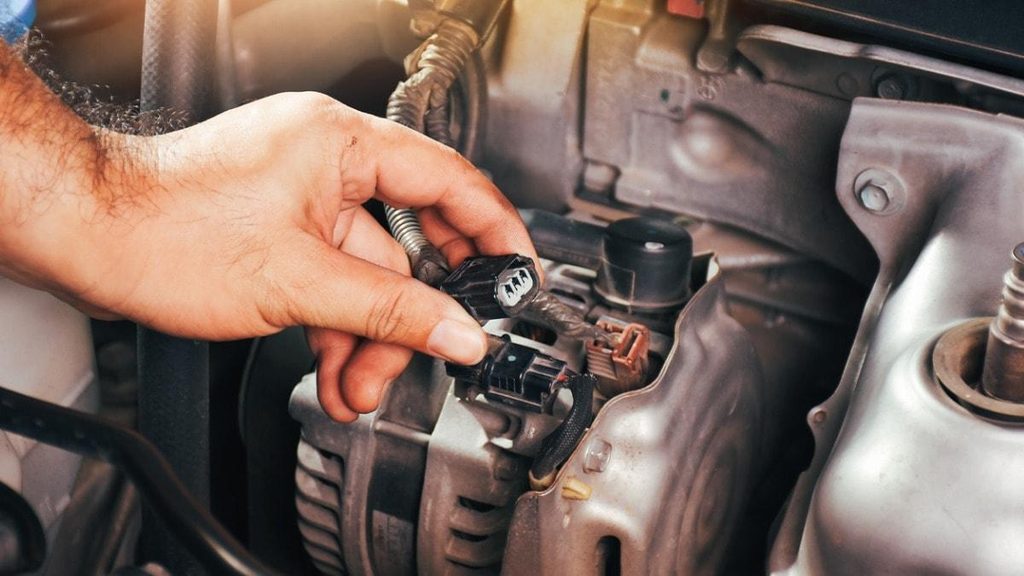
- Protect sensitive components – Cover exposed electrical connections, the alternator, and air intake openings as needed, following the vehicle manufacturer’s guidance.
- Remove loose debris – Use a soft brush, vacuum, or gentle compressed air to clear leaves, dust, and dirt.
- Apply degreaser – Spray a suitable automotive degreaser on greasy surfaces, avoiding sensitive components. Follow the product’s dwell-time instructions.
- Agitate stubborn grime – Use a soft detailing brush, working from the top down without damaging wiring or hoses.
- Rinse gently – If permitted by the manufacturer, use low-pressure water to remove residue, avoiding electrical connections and air intakes.
- Dry thoroughly – Remove protective covers and use microfiber towels or gentle compressed air to eliminate trapped moisture.
- Inspect before starting – Check for remaining moisture and ensure all covers and components are properly secured.
Important: Follow the manufacturer’s engine bay cleaning instructions, especially for hybrids and EVs. Avoid directing or pouring water onto high-voltage components, exposed electrical connections, and other sensitive areas.
Before You Start – Safety and Prep
What you’ll need
Every cleaning needs a degreaser (see the table below), a soft-bristle brush, microfiber towels, a hose or low-pressure washer, plastic bags, painter’s tape, gloves, and eye protection. An air compressor and a leaf blower are optional, but either can speed up drying and clear debris from tight spots.
What to cover before you spray anything
Start with a cool engine. Cold water on hot components can cause thermal stress, while heat can dry degreaser too quickly. Protect sensitive areas, including:
- Battery terminals – Moisture can contribute to corrosion.
- Alternator – Water intrusion can damage internal components.
- Sensors and connectors – Moisture can cause electrical faults.
- Air intake – Water entering the engine can cause hydrolock.
- Distributor cap (older vehicles) – Moisture can cause misfires and starting problems.
How to Clean Oil Off Engine
Cleaning oil from an engine depends on whether the residue is fresh or baked on. For fresh spills, absorb the excess oil with suitable pads or absorbent material, then use an automotive degreaser to remove what remains. Older buildup may require a longer dwell time, gentle scrubbing with a soft brush, and repeated applications.
Oil residue on hot engine components can cause burning smells or smoke, so identifying its source is just as important as cleaning it. Check common leak areas, including valve cover gaskets and the oil filter housing, along with the drain plug area. If oil returns after cleaning, the source likely needs inspection and repair rather than another wash.
What to Use to Clean Engine Bay
Choosing the best way to clean engine bay starts with picking the right degreaser. Citrus and solvent-based products are strongest on heavy, baked-on grease. Foaming all-purpose cleaners cling to vertical surfaces and suit routine cleans. Water-based, biodegradable formulas are gentler and a good fit for bays with lots of exposed plastic and rubber.
Dish soap and household glass cleaner are not substitutes. Dish soap leaves residue and can strip protective coatings, while glass cleaner streaks and lacks the grease-cutting agents built for automotive use.
Engine degreaser types comparison table
| Degreaser Type | Best For | Dwell Time | Notes |
| Citrus/solvent-based | Heavy grease, baked-on oil | Roughly 3-5 minutes (follow label) | Strong; test on plastics and rubber first, ventilate well |
| Foaming all-purpose | Regular maintenance, vertical surfaces | Roughly 5-10 minutes | Clings well; rinse thoroughly |
| Water-based/biodegradable | Light dust, lots of plastic trim | Roughly 5-10 minutes | Gentler and eco-friendlier; may need a repeat pass on old grease |
Dwell times vary by product, so always follow the label.
Frequently Asked Questions
How often should an engine bay be cleaned?
Once or twice a year suits most drivers. Clean more often if you drive on dusty or muddy roads, or if you see fresh oil residue.
Will cleaning my engine bay cause electrical problems?
It can if you skip the prep. Cover the battery, alternator, intake, and sensors, use low pressure, and dry thoroughly. Most modern engine bays are designed to handle some water, but high pressure and neglect cause the trouble.
Does a clean engine bay affect resale value?
It can help. A clean bay signals good maintenance and makes leaks or wear easy to spot, and buyers and inspectors notice both. If you’re about to sell, pair it with a full detail or professional trade-in reconditioning.
Is it safe to clean an engine bay in the rain or high humidity?
Avoid it. Rain prevents proper drying, and humidity slows evaporation, which raises the risk of moisture lingering in connectors. In Delaware, where summers run humid and springs run wet, pick a dry, mild day and give the bay extra drying time.
When to Let a Professional Clean Your Engine Bay
Knowing how to clean engine bay surfaces safely doesn’t mean every vehicle is suitable for DIY cleaning. Professional help may be worthwhile if your vehicle has sensitive electronics, you suspect an oil leak that needs diagnosis, or you’re preparing to sell or trade in and want to improve its resale value.
A professional detail adds correct dwell times for each surface, low-pressure equipment suited to engine bays, and a chance to spot leaks and wear while the bay is exposed. If you’re in northern Delaware, MKM360 AutoWorks provides professional vehicle detailing and trade-in reconditioning from our Newark facility, with mobile service available. Contact our team to ask about including an engine bay clean in your vehicle’s detail.