Clay bar treatment for cars starts with a simple test: wash the car, dry it, run a hand across the hood. If the paint still feels gritty, like fine sandpaper, dirt isn’t the problem; something else is bonded underneath it. Soap and water lift loose grime, but don’t touch what’s stuck to the clear coat. That’s where clay bar treatment comes in.
What is clay bar treatment, exactly? This guide covers what it does, the signs your car needs it, how it compares to polishing and waxing, which clay grade is best for your paint, how often to clay a car, and when to call a professional detailer instead.
What Is Clay Bar Treatment for Cars?
Clay bar treatment is a detailing process that removes bonded contaminants from automotive paint using a specialized synthetic resin compound. It safely lifts embedded debris from the clear coat without sanding or damaging the finish. It removes contaminants that regular washing can’t, including industrial fallout, brake dust, tree sap, tar spots, and paint overspray.
A clay bar must always be used with a dedicated lubricant or slick car wash solution to prevent scratching and allow it to glide safely across the paint.
Typical application sequence
- Wash and dry the vehicle.
- Perform the clay bar treatment.
- Polish the paint (if needed).
- Apply wax or a ceramic coating for protection.
What Does Clay Bar Treatment Do?
Clay bar treatment removes embedded contamination below the surface that washing can’t touch, so the paint feels smoother immediately.
Clean paint provides a better surface for wax, sealant, and ceramic coating to grip, so those products bond more evenly and last longer. Claying also preps paint for polishing or correction, letting those steps work the paint instead of fighting through grime, and sharpens its look since light no longer scatters off surface debris.
How Do You Know If Your Car Needs Clay Bar Treatment?
Your car needs a clay bar treatment if the paint remains rough, gritty, or dull after a thorough wash. Key signs your car needs claying:
- The surface feels like fine sandpaper after a wash
- A microfiber towel catches or drags instead of gliding smoothly
- The paint lacks shine even when completely clean
- Small rust-colored spots appear on light-colored cars, indicating bonded iron brake dust
- The vehicle is regularly parked outside, near trees, road grime, or industrial areas
The plastic bag test
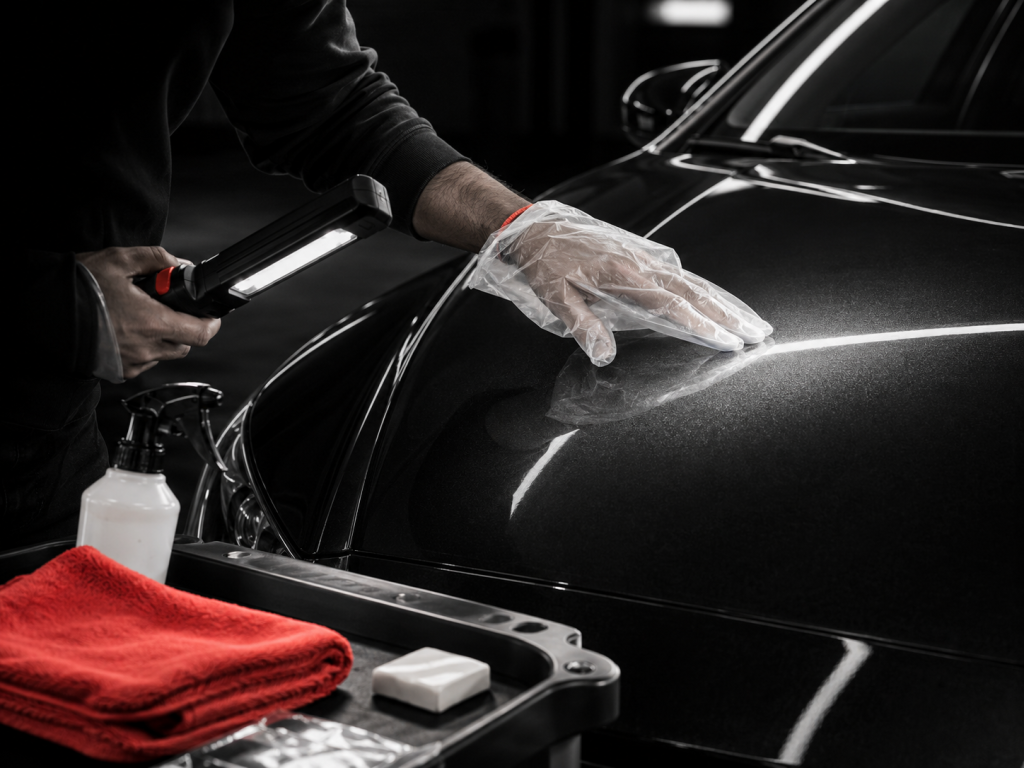
If you are unsure by sight, place your clean hand inside a thin plastic bag and lightly glide your fingertips over the freshly washed paint. The plastic amplifies the texture, making it much easier to detect embedded grit and contamination than using a bare hand. If it feels bumpy, it is time for a clay bar treatment.
Is Clay Bar Treatment Worth It?
Yes, if your paint feels rough or contaminated, or you’re preparing it for polishing, wax, sealant, or a ceramic coating. By removing bonded contaminants, claying creates a clean surface that improves product bonding and helps protection last longer. However, it’s not needed at every wash and isn’t a substitute for paint correction.
Because the process also removes existing wax and sealants, be sure to reapply wax, sealant, or a ceramic coating within a day or two to protect the freshly cleaned paint.
Is Clay Bar Treatment Good for New Cars?
Yes. New paint isn’t automatically clean at the microscopic level, and that’s exactly what clay bar treatment fixes. Cars sit in storage lots, travel by rail, and ship long distances, all of which can bond particles to the clear coat before it has a mile on it. That’s why some new cars feel rough despite looking spotless.
Get a professional inspection before assuming aggressive claying is needed; a trained eye can tell the difference between light contamination and damage that requires more careful handling.
Clay Bar vs Polish vs Wax
What is clay bar treatment next to polish and wax? Each step does a different job, and none substitutes for another.
| Service | Main Purpose |
| Wash | Removes loose dirt |
| Clay bar treatment | Removes bonded contaminants |
| Polish | Improves gloss and removes light defects |
| Paint correction | Removes or reduces swirls, haze, and scratches |
| Wax/sealant | Adds temporary protection |
| Ceramic coating | Adds longer-lasting protection |
Does Clay Bar Treatment Remove Scratches?
No. Clay bar treatment only removes surface contamination. Scratches and swirl marks are physical defects cut into the clear coat; only polishing or paint correction can level them out. Clay smooths paint by clearing debris, not by fixing damage already cut into it.
Can Clay Bar Damage Paint?
Yes, if used incorrectly. The most common cause is too little lubricant, which creates friction and can mar the paint. A dirty clay bar or excessive pressure can also grind trapped debris into the surface instead of lifting it.
Choosing the right clay grade also matters:
- Fine grade – Best for light contamination and soft or dark paint
- Medium grade – Ideal for average contamination and routine maintenance
- Heavy grade – Reserved for heavy fallout or overspray and usually followed by polishing
Using heavy-grade clay on lightly contaminated paint increases the risk of marring without added benefit.
Never reuse clay that’s been dropped, as it immediately picks up abrasive dirt. Use extra caution on vehicles with peeling clear coat, failing paint, or rusted areas, as claying can worsen existing damage.
What Happens After Clay Bar Treatment?
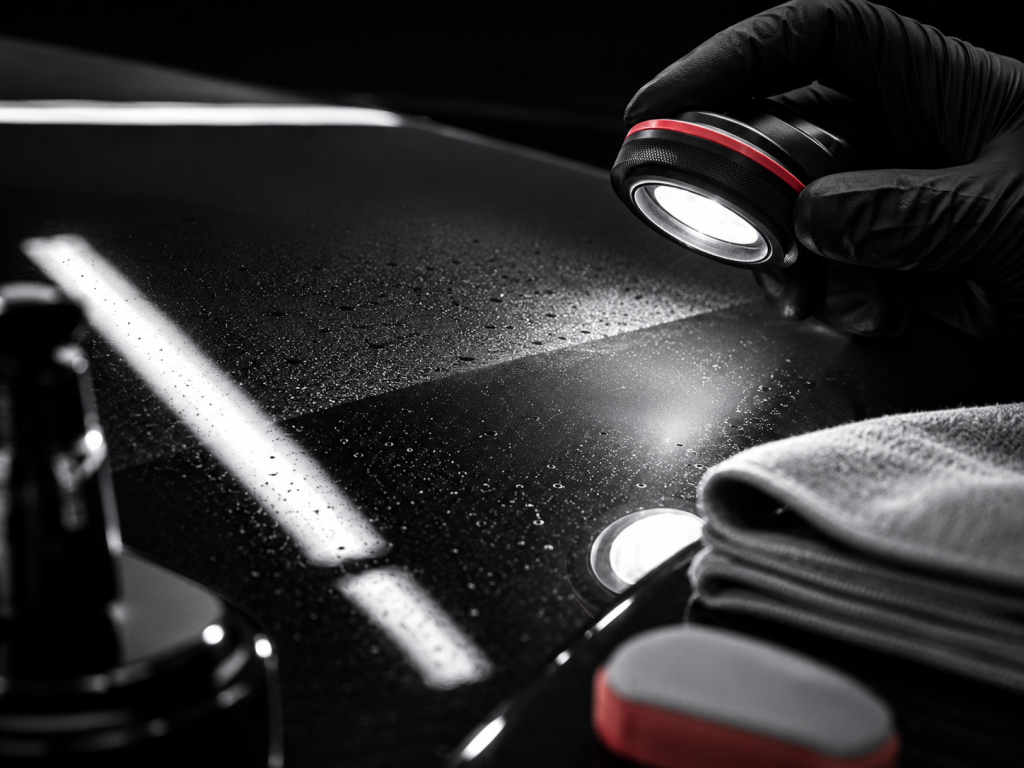
Clay bar treatment is a preparation step, not the final finish. Because it removes bonded contaminants and often strips existing wax or sealant, the paint shouldn’t be left unprotected.
If the paint has swirl marks, haze, or dullness, polish it before applying protection. Finish by applying a wax, paint sealant, or ceramic coating to restore protection and help keep the surface cleaner for longer.
How Often Should You Clay Bar a Car?
Most vehicles only need clay bar treatment once or twice a year. Cars parked outdoors or exposed to heavy contamination, such as industrial fallout or tree sap, may need it more often, while well-maintained garage-kept vehicles can go longer, which can also affect how often your vehicle needs detailing.
Don’t clay your car unless it needs it. If the paint feels smooth after washing, there’s no benefit to clay bar treatment. Since it’s a mechanical process, unnecessary use only increases the risk of marring.
When to Choose Professional Clay Bar Treatment
Professional clay bar treatment is worth considering if:
- The paint still feels rough after washing or has visible contamination
- You’re preparing the vehicle for a ceramic coating or paint correction
- Your vehicle has dark or soft paint that’s more prone to marring and haze
- A previous DIY clay bar treatment left haze, scratches, or other marks
Conclusion
What is clay bar treatment? It’s a detailing process that removes bonded contaminants that regular washing can’t, creating a smooth, clean surface without damaging the clear coat when performed correctly.
More than a standalone service, clay bar treatment prepares the paint for polishing, wax, sealant, or ceramic coating by improving product bonding and overall results. Used only when needed, it helps keep your vehicle’s finish cleaner, smoother, and better protected over time.